Creating Gas Solutions for Hazardous Locations
When you're entrusted with designing gas systems for dangerous places, you're not just considering effectiveness; you're navigating a complicated web of safety and security guidelines and environmental aspects. Comprehending the one-of-a-kind dangers associated with each website is important, as also the tiniest oversight can result in alarming effects. You'll need to explore different design principles and ingenious technologies that can boost safety and security and dependability. But what are the key elements that absolutely make a distinction in these vital environments?
Trick insights
- Assess the specific dangerous category (Course I or Course II) to identify appropriate tools and installation methods.
- Implement safety style principles, consisting of redundancy and fail-safes, to mitigate threats in gas systems.
- Ensure conformity with pertinent laws such as NFPA codes and OSHA criteria to improve safety and security and stay clear of penalties.
- Utilize cutting-edge modern technologies like smart gas sensors and IoT for real-time surveillance and accurate discovery of gas concentrations.
- Conduct routine upkeep and assessments to determine potential threats and strengthen threat management methods in gas systems.
Comprehending Unsafe Areas
Understanding harmful places is vital for guaranteeing security and compliance in gas system style. You require to recognize that these areas are identified by the existence of eruptive environments, which emerge from combustible gases, vapors, or dust. The category of these areas is critical, as it dictates the sort of tools and installation techniques required.
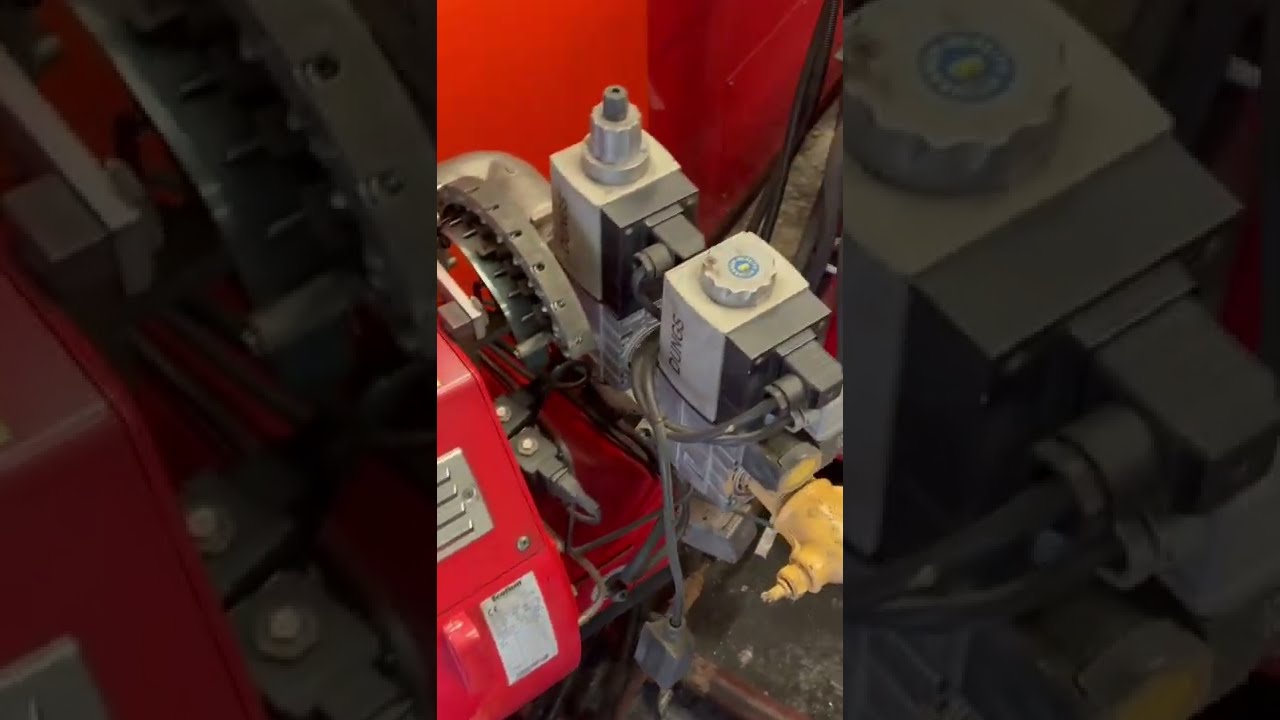
Electric classifications play a crucial duty in recognizing the dangers connected with dangerous places. You'll encounter various classes, departments, and areas, each specifying the level of danger and the necessary precautions. For instance, Course I areas include combustible gases, while Class II concern flammable dirt. Within these classes, you have to carefully evaluate the atmosphere to identify the correct electric equipment fit for the risk degree.
When making gas systems, performing a comprehensive danger analysis is essential. It enables you to recognize potential ignition resources and execute appropriate protective procedures. By adhering to these classifications and understanding the nature of eruptive environments, you can create more secure gas systems that follow market laws, ultimately guarding employees and residential property from dangerous occasions.

Regulatory Specifications and Conformity
Steering via the maze of governing standards and conformity is important for any person involved in creating gas systems for dangerous locations. You'll require to acquaint yourself with key guidelines such as the National Fire Defense Association (NFPA) codes, the Occupational Security and Wellness Management (OSHA) criteria, and international standards gas engineer minster like those from the International Electrotechnical Compensation (IEC). Each collection of policies addresses details compliance obstacles connected to safety and security, design, and operational techniques.
Stay attentive concerning regulative updates, as non-compliance can result in extreme fines, including penalties or project shutdowns. On a regular basis consult with industry resources and regulatory bodies to guarantee you're lined up with the most up to date standards. Take into consideration executing extensive danger evaluations to identify potential hazards and conformity gaps in your style technique.
Documentation plays a crucial function in conformity; maintain comprehensive documents of your layout processes, threat evaluations, and assessments. Not just does this give accountability, yet it additionally guarantees that you can show compliance during audits. By prioritizing adherence to these regulations, you'll boost the safety and reliability of gas systems in dangerous areas, ultimately safeguarding both personnel and residential property.
Design Concepts for Safety
Regulatory criteria established the structure for developing gas systems in harmful locations, yet the principles of safety and security must direct every element of your layout. To assure you fulfill safety protocols and carry out an extensive threat assessment, think about the adhering to style concepts:
-
** Assess ** Environmental Problems ****: Determine the specific harmful material and environmental variables that can impact safety. This includes temperature level, stress, and prospective ignition resources.
-
Execute Redundancy: Design systems with built-in redundancies such as fail-safes and back-up systems. This minimizes the risk of system failing and improves general safety and security.
-
** Regular Maintenance and ** Educating ****: Determine that your group is learnt safety methods which the tools undertakes normal inspections and maintenance. This assists to identify prospective concerns before they come to be severe threats.
Innovative Technologies in Gas Equipments
In the mission for enhanced safety and performance in dangerous areas, innovative innovations in gas systems have actually emerged as essential elements. One of the most impactful developments is the combination of clever gas sensors. These sensing units provide real-time information on gas focus, greatly boosting your ability to identify leakages and lessen risks. With their advanced formulas, they can set apart between numerous gas types, ensuring accurate readings that abide by regulatory criteria.
One more significant innovation is remote monitoring systems. By utilizing IoT connection, you can keep track of gas systems from a risk-free distance, allowing for immediate alerts and data analysis. This capability not just improves your situational recognition however also promotes quick action to prospective threats, consequently minimizing the probability of mishaps.
Applying these technologies assurances that you satisfy strict safety policies while boosting functional effectiveness. Smart gas sensors and remote monitoring systems are not simply innovations; they're vital devices in your risk monitoring approach. By prioritizing these innovations, you can promote a much safer setting and keep compliance with sector standards, inevitably protecting both personnel and assets in unsafe areas.
Upkeep and Danger Management
Smart gas sensors and remote surveillance systems lay a strong foundation for reliable upkeep and risk administration techniques in dangerous places. By incorporating these technologies, you can enhance your preventative maintenance efforts and carry out detailed threat analyses, ensuring the safety and security of both personnel and devices.
To optimize your maintenance and danger management method, take into consideration these crucial approaches:

-
Routine Evaluations: Arrange regular checks of all gas systems to determine potential dangers before they escalate. This positive procedure helps preserve conformity with market guidelines.
-
Information Analysis: Make use of information collected from clever sensing units to analyze patterns and patterns. This can highlight areas needing attention, permitting you to readjust maintenance timetables based on actual efficiency.
-
Training and Awareness: Validate that your team is trained in recognizing dangers and responding properly. Normal training sessions will strengthen the significance of precautionary upkeep and risk monitoring practices.
Regularly Asked Inquiries
What Are the Usual Types of Gases in Hazardous Locations?
In hazardous areas, you'll come across various types of gases that position substantial threats. Flammable gases, like methane and lp, can develop eruptive environments otherwise correctly taken care of. Poisonous gases, such as hydrogen sulfide and ammonia, pose serious health threats. It's crucial you carry out efficient gas discovery systems to check these threats constantly. By understanding the common gases existing, you can boost safety measures and warranty compliance with governing requirements.
How Do I Choose the Right Tools for My Gas System?
When choosing the best devices for your gas system, you require to focus on devices choice based upon regulatory conformity and safety and security criteria. Begin by examining the certain demands of your application, taking into consideration aspects like gas type and possible threats. Review tools durability and accreditations to assure it fulfills regulatory standards. Conduct a danger evaluation to identify potential problems, enabling you to make informed decisions that enhance safety and security and efficiency in your gas system.
What Training Is Needed for Employee Working in Hazardous Locations?
You require details training for employees working in dangerous locations. This consists of understanding security methods and regulative compliance relevant to your industry. Training ought to cover threat assessments, tools handling, and emergency response procedures. Make sure that your team knows with potential hazards and the correct use of personal protective equipment. Regular correspondence course and drills can maintain skills sharp and preserve a culture of security within your company.
Can Gas Equipments Be Retrofitted for Older Facilities?
Yes, gas systems can be retrofitted for older centers, yet you'll deal with numerous retrofitting difficulties. You'll require to examine the existing infrastructure and guarantee it meets current regulative conformity. It's essential to examine gas engineer minster prospective risks and carry out necessary upgrades that straighten with security standards. A detailed threat evaluation will help identify any alterations needed to suit contemporary gas systems while maintaining operational effectiveness and security in your facility.
What Are the Costs Related To Creating Gas Systems for Hazardous Locations?
When you assess the costs related to making gas systems, you need to concentrate on expense estimate and budget plan considerations. You'll come across costs for tools, products, installation, and compliance with regulations. Additionally, threat analysis plays a crucial function, as potential dangers need extra rigorous precaution, which can raise prices. It is essential to stabilize these elements to assure efficient layout while adhering to safety requirements and keeping your spending plan.
Summary
In making gas systems for harmful locations, you should prioritize safety and compliance. By understanding the details threats and adhering to governing requirements, you can develop systems that successfully reduce hazards. Including cutting-edge technologies enhances real-time tracking and response capacities. Normal upkeep and detailed risk assessments are necessary to guarantee ongoing safety and security and integrity. Inevitably, your dedication to these principles not just shields personnel and property yet likewise straightens with market ideal techniques and governing needs.